
California’s Budget Deficit May Be Much Smaller Than Expected
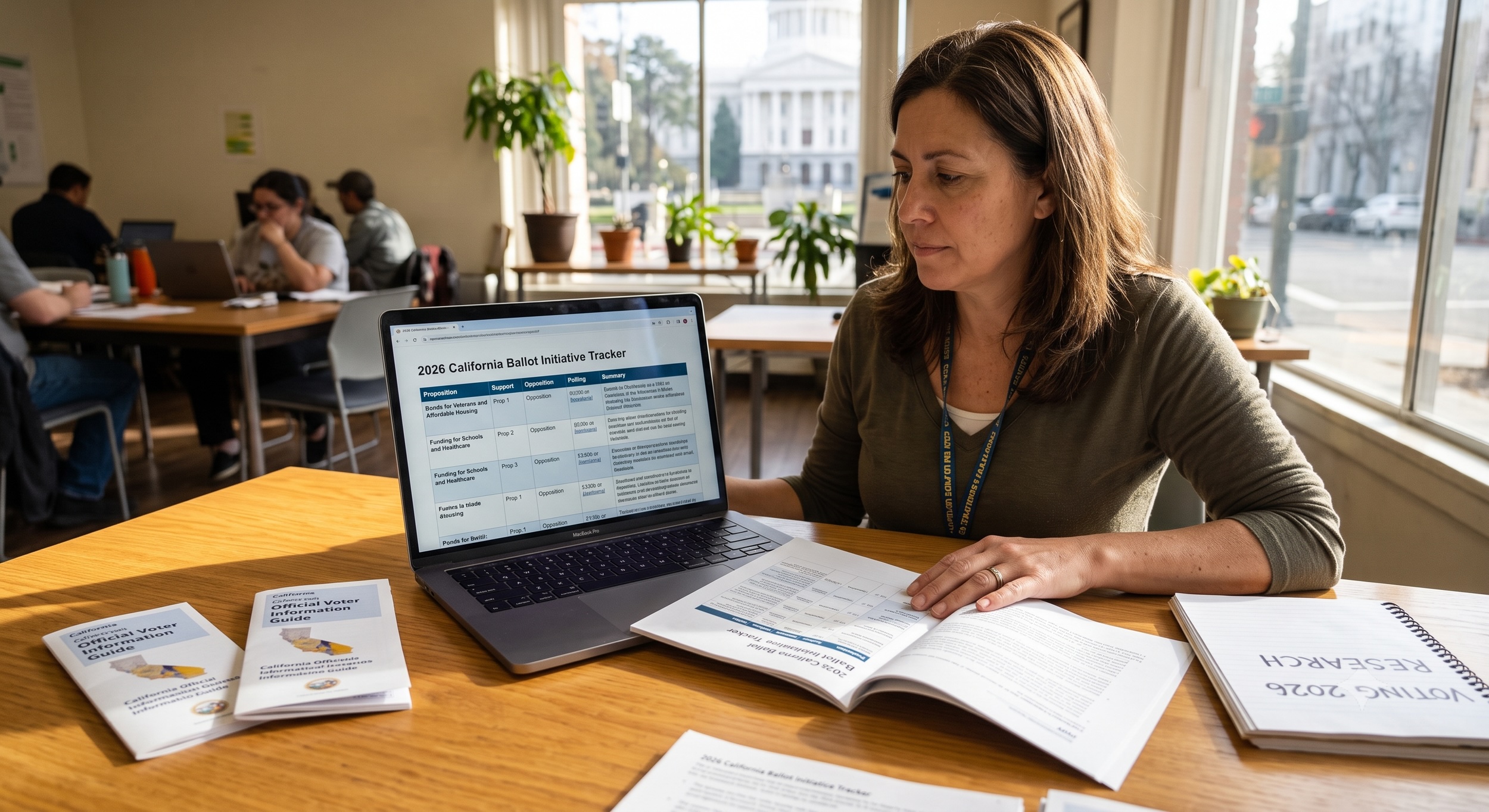
California’s budget deficit is reshaping spending priorities and funding decisions across state government.

A budget memo leaked to the media on Friday shows that California’s budget deficit could be much smaller than expected.
In January, Governor Newsom projected a $2.9 billion budget deficit. On Friday, according to KCRA 3 News, the January budget included a $2 billion miscalculation related to the state’s retirement system. This means the state budget deficit could be less than a billion dollars.
However, the Governor’s Department of Finance and the Legislative Analyst’s Office still project multi-year deficits ahead, somewhere in the neighborhood of $20 to $35 billion, so cost pressures remain.
A smaller deficit could ease pressure on discretionary programs and grants. Additionally, more than 40 percent of any revenue gains could end up flowing to schools and community colleges under Proposition 98 rather than other state priorities.
The Governor’s Department of Finance and legislative budget committee representatives were quick to dismiss the news, calling it a routine budget adjustment and cautioning against new spending this year.
We will know more upon the release of the Governor’s May Revise, which will be released by May 15.
AI Impact on Jobs
OpenAI released a report analyzing the potential impact of artificial intelligence on the job market. The study looks at 900+ occupations that cover 99.7% of U.S. employment.
The study found that the jobs most vulnerable to automation, such as data-entry keyers and bookkeepers, are already using AI for three times as many of their tasks as workers who are not at immediate risk of displacement (e.g., construction workers, nurses).
In other words, workers who may lose their jobs due to AI are using AI more in their daily work. Whether the increased output will see an increase in demand remains to be seen.
Here in California, lawmakers are grappling with AI’s impact on the workforce. Senate Bill 947 (McNerney) would regulate employer use of automated decision systems (ADS) in the employment context. The bill would require employers to notify workers when ADS is used in disciplinary, termination, or deactivate decisions, and prohibits certain decisions from being made solely with ADS.
Another bill, Senate Bill 951 (Reyes), requires employers to give a 90-day notice for technological displacements impacting 25 or more employees or 25% of the workforce, whichever is less.
Trump Goes Psychedelic
Over the weekend, the President signed an Executive Order directing the administration to speed up the review of certain psychedelic drugs, including ibogaine, which has been used to treat severe depression among combat veterans and people with PTSD.
The E.O. allows research on using these types of drugs for medical purposes, and has been widely embraced by veterans organizations, conservative congressmembers, and Joe Rogan.
Gen Z Is Way Less Positive About AI
A Gallup Poll released in April shows about 51% of Gen Zers use AI at least weekly, yet are more frightened, angry, and unnerved at the rapid pace at which AI is impacting their daily lives and post-school job opportunities.
Importantly, about half of Gen Z K-12 students think they will need to know how to use AI in their postsecondary education or their future jobs. Nearly three in five students believe they will be adequately prepared for daily AI use after high school.
In January, the California Department of Education released new Artificial Intelligence in Education Guidance, and an AI in Education Working Group is now meeting to advise on classroom use, data privacy, and academic integrity in K‑12.
The next meeting of the AI in Education Working Group will be held on April 27, 2026, from 9 a.m. to 12 p.m. Click here to view the agenda and how to register to attend the meeting via Zoom.
Photo by Leo_Visions on Unsplash