
Biofuels: The Latest Developments and Policy Considerations
On September 22, I attended the Environmental Law Institute webinar, “Biofuels: The Latest Developments and Policy Considerations.”
The discussion was moderated by John Lobenberg of BNSF Railway and featured Audrey Denvir of the World Resources Institute, Dave Slade of Chevron, Tim of Beveridge & Diamond, Veronica Bradley of Clean Fuels Alliance America, and Richard Corey of AJW.
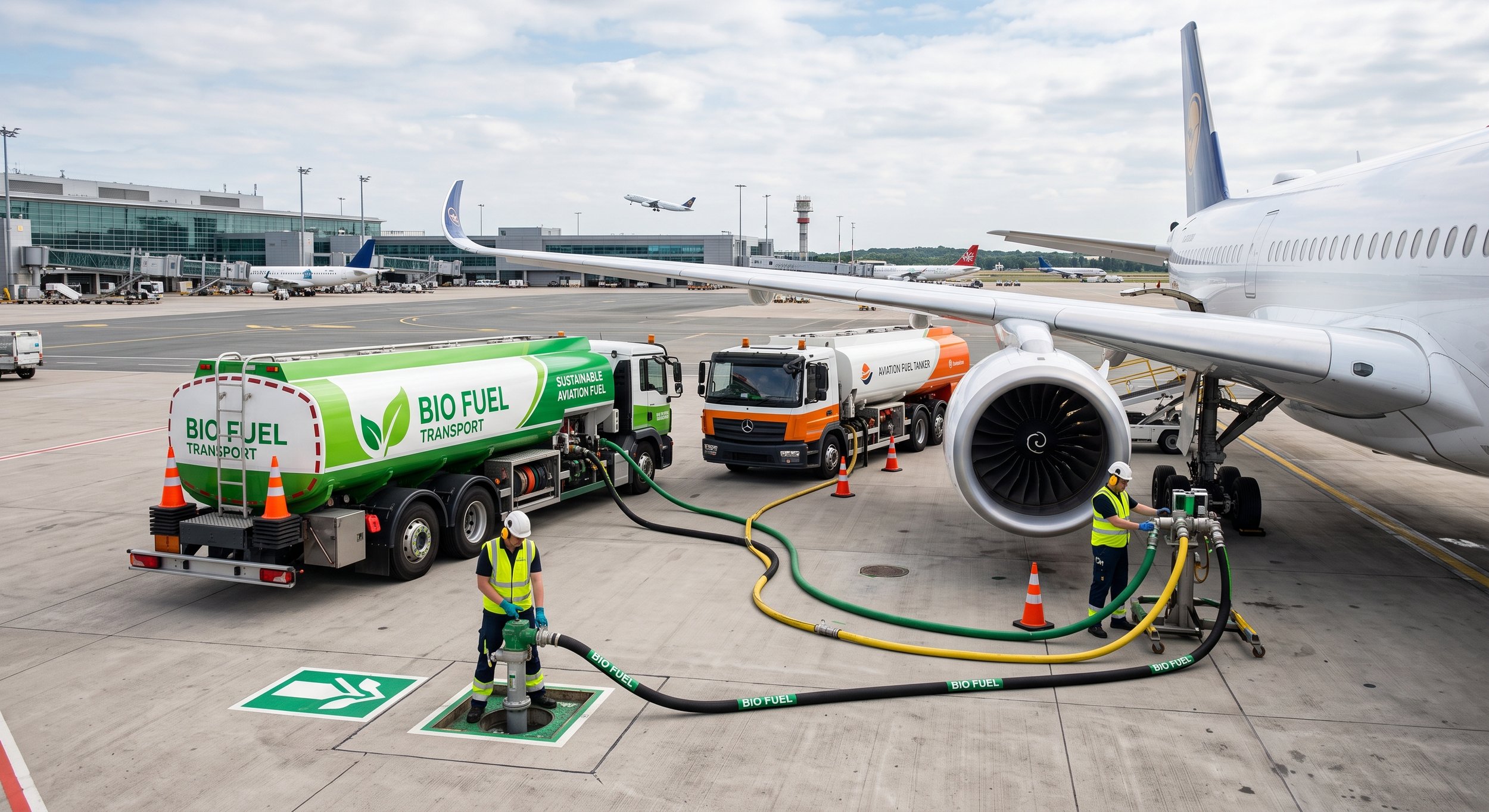
The webinar examined the role of ethanol, biodiesel, renewable diesel, and sustainable aviation fuel (SAF) in reducing transportation emissions—particularly in sectors where electrification remains difficult, including aviation, maritime shipping, rail, and long-haul trucking. The discussion also highlighted a central tension in biofuels policy: while renewable fuels can reduce fossil-carbon emissions, their climate value depends heavily on feedstock sourcing, lifecycle accounting, and land-use impacts.
Biofuels are lower-fossil-carbon—not carbon-free
One of the panel’s most useful framing points was the distinction between fossil carbon and biogenic carbon. Biofuels still contain carbon and emit carbon dioxide when combusted. The difference is that their carbon generally comes from recently grown biological material, rather than carbon extracted from underground fossil reserves.
That distinction makes lifecycle analysis essential. The climate impact of a fuel is not determined solely at the tailpipe; it also depends on emissions from growing or collecting feedstocks, processing them into fuel, and transporting both inputs and finished products.
Different fuels serve different transportation needs
The panel reviewed several major biofuel pathways:
Ethanol is produced from starches and sugars and is commonly blended into gasoline.
Biodiesel is made from fats and oils and is typically blended with petroleum diesel.
Renewable diesel is a hydrocarbon fuel that can function as a drop-in replacement for conventional diesel.
Sustainable aviation fuel uses similar pathways to renewable diesel but faces more stringent performance and safety requirements.
The differences matter. Renewable diesel can be used at high blend levels because it more closely resembles petroleum diesel. SAF, however, remains subject to blend limits because aviation fuel must meet demanding requirements related to freezing behavior, engine seals, and safe performance at altitude.
Feedstocks and land use remain the central debate
The conversation repeatedly returned to feedstocks. Producers seek flexibility to use a wide range of inputs, including soybean oil, canola oil, animal fats, used cooking oil, and distillers corn oil. Policy incentives and regional market conditions strongly influence which feedstocks are most economically attractive.
But the World Resources Institute cautioned that crop-based biofuels can create indirect land-use change. If crops are diverted from food markets into fuel production, replacement food production may contribute to deforestation or conversion of other land elsewhere. WRI’s position was that conventional crop-based fuels, including corn ethanol and vegetable-oil-based fuels, may not deliver meaningful emissions reductions once these effects are considered.
Waste- and residue-based feedstocks, such as used cooking oil and animal fats, may offer more substantial emissions benefits. However, those feedstocks are limited and often costlier to collect and process.
Policy determines which fuels scale
Federal and state policy are shaping the biofuels market as much as fuel chemistry or customer demand.
At the federal level, the Renewable Fuel Standard creates demand for renewable fuels through Renewable Volume Obligations and Renewable Identification Numbers. The 45Z Clean Fuel Production Tax Credit provides a production incentive tied to a fuel’s greenhouse-gas intensity.
The panel also noted that state low-carbon fuel standard programs—beginning with California’s program in 2008—have been especially influential. These policies can favor lower-carbon and waste-based feedstocks, affect where fuels are shipped, and drive investment decisions throughout the supply chain.
Biofuels can offer air-quality co-benefits
The discussion was not limited to greenhouse gases. Renewable diesel may also reduce particulate matter, nitrogen oxides, and volatile organic compounds in some applications, particularly in older engines. The benefits vary by fuel, engine, and operating conditions, and aviation presents a different profile: SAF may reduce particulate emissions and contrail formation, while NOx outcomes are less clear.
Looking ahead
Biofuels are unlikely to be a universal transportation solution. Their most valuable role may be in sectors where batteries and other zero-emission technologies cannot yet meet operational needs.
The policy challenge is to distinguish between fuels that simply shift emissions and fuels that achieve real lifecycle reductions. That will require credible carbon accounting, careful treatment of land-use impacts, sustained investment in waste-based and advanced feedstocks, and policies that prioritize the hardest-to-abate transportation sectors.
