
Can Communities Mitigate Rising Concerns About Data Centers?
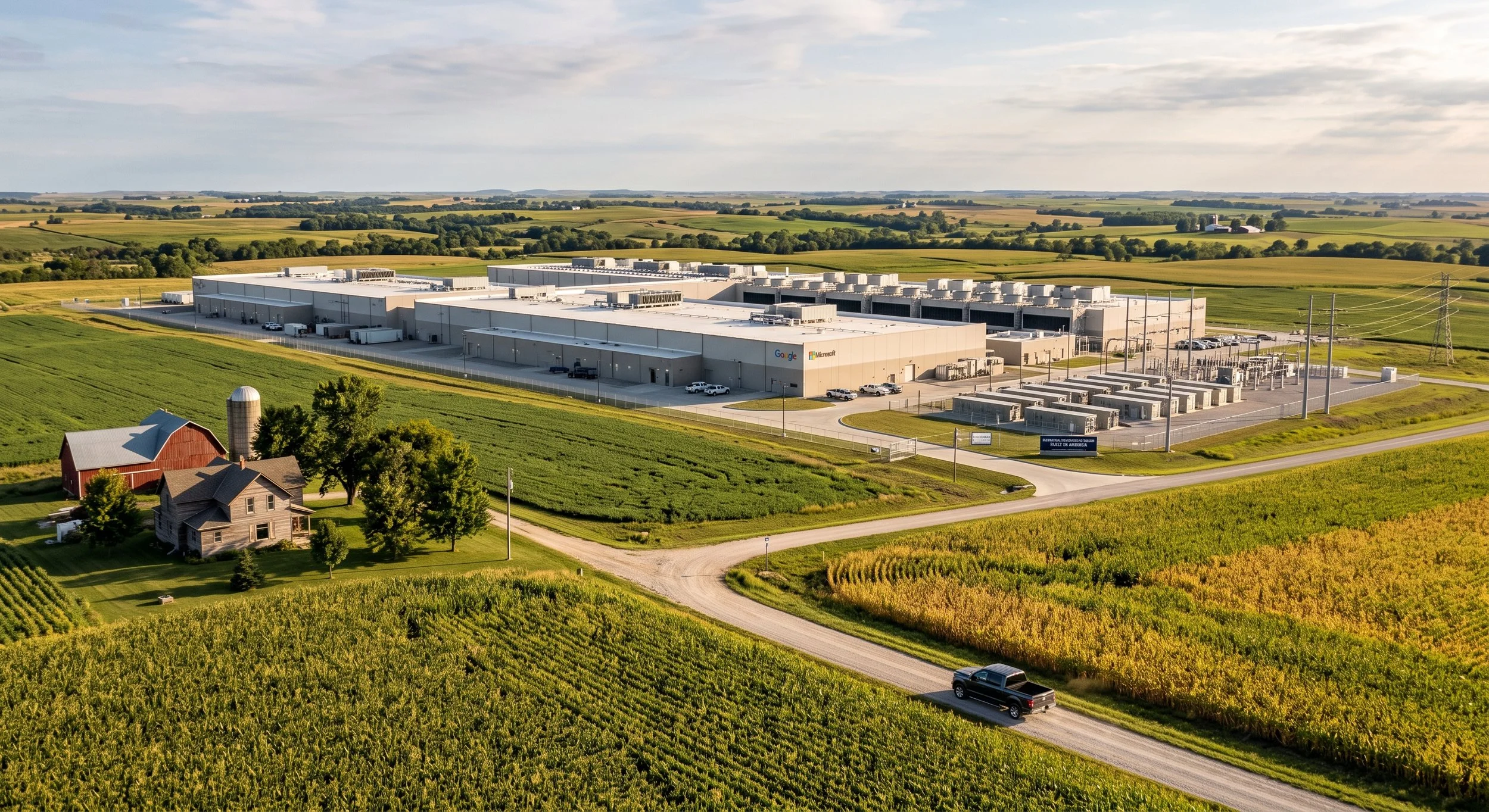
On September 15, I attended the Brookings Institution webcast, “Can communities mitigate their rising concerns about data centers?”
The discussion was hosted by Dr. Nicole Turner-Lee and featured Rep. Suhas Subramanian (VA-10), followed by a panel with Elena Schlossberg of the Coalition to Protect Prince William County, Ronnie Newman of Groundswell, Aubrey Connor of the NAACP Center for Environmental and Climate Justice, and Maria Marie Silla Dixon of Tuckahoe Creek Strategies.
The conversation underscored that data centers are no longer a niche infrastructure issue. They have become a kitchen-table concern for communities confronting higher utility bills, water use, transmission-line construction, air-quality risks, land-use conflicts, and limited transparency around proposed projects.
Federal policy: moving beyond voluntary standards
Rep. Subramanian argued that Congress can no longer defer action on AI and related infrastructure. He said the public now better understands the urgency of AI policy, while the technology has advanced more quickly than many expected. He called for mandatory baseline safety standards rather than voluntary commitments, pointing to the bipartisan Frontier Act as meaningful—though incomplete—progress.
On data centers, he described a policy approach centered on four priorities: smarter siting, more accurate measurement of power and water impacts, greater transparency around nondisclosure agreements, and protections against shifting infrastructure costs to residential ratepayers. He positioned this approach as an alternative to both broad moratoriums and an unrestricted “build, baby, build” model.
Virginia’s experience offers a warning
Virginia’s Data Center Alley illustrates the scale and urgency of the challenge. Panelists described escalating electricity demand, new transmission infrastructure through residential and sensitive areas, and community frustration over decisions made before residents have meaningful opportunities to weigh in. The discussion also highlighted the defeated Digital Gateway proposal in Prince William County, which would have involved a 2,000-acre campus, 3,000 megawatts of power demand, 12 substations, and multiple transmission lines.
Elena Schlossberg emphasized that the consequences extend beyond the host community. New generation, transmission corridors, water demands, and air pollution can shift burdens to surrounding regions and vulnerable communities. Her central point was straightforward: reducing power demand also reduces associated land and water impacts.
Reliability, affordability, and energy choices
Maria Marie Silla Dixon described energy as the foundation of data-center development. Utilities are facing simultaneous pressure to modernize aging grids, add generation, expand transmission, and accommodate large new loads. In some markets, the lack of available generation has contributed to sharp increases in consumer electricity costs.
The panel also cautioned against treating small modular reactors or “bring-your-own-power” proposals as simple near-term solutions. While alternative generation can reduce demand on the broader grid, communities need clear information about what is actually being built—including potential reliance on diesel backup generation or natural gas.
Community engagement must come first
A consistent theme was that transparency and early engagement are essential. Ronnie Newman contrasted opaque development practices—such as developers seeking zoning changes under NDAs—with approaches that give residents a real opportunity to ask questions, set agendas, and engage directly with local officials and companies.
Aubrey Connor emphasized that data center siting can replicate longstanding environmental-justice patterns, particularly in communities already facing disinvestment and poor air quality. The NAACP’s Frontline Framework offers a useful starting point: affected communities should lead, accountability should be enforceable, and jobs should not be used to justify harm.
Looking ahead
The discussion made clear that communities may not all reach the same conclusion about whether to host data centers. But where projects proceed, the expectations should be higher: transparent impact data, public participation before deals are finalized, protections for ratepayers, meaningful community benefits, and honest assessment of energy, water, land-use, and health impacts.
As data center development accelerates alongside AI adoption, public leaders, utilities, developers, and advocates will need to move beyond narrow siting debates and address the larger question raised during the event: what infrastructure is needed, for what purposes, and under what community-driven safeguards?
